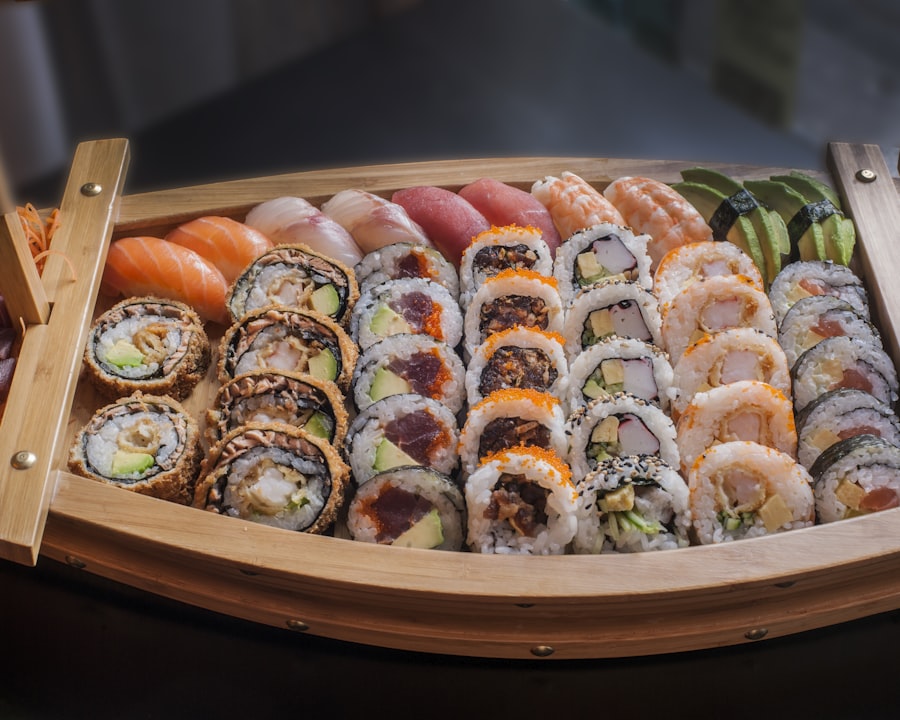
Edo-mae sushi — literally "in front of Edo" — was born in the bustling street stalls of nineteenth-century Tokyo, when the city was still known as Edo. It was fast food for fishermen and merchants, pressed by hand and seasoned with vinegar to preserve the catch of the day. Yet from these humble origins emerged what many consider the highest form of culinary art: a discipline defined not by abundance, but by restraint.
The philosophy is deceptively simple. Each piece of nigiri should contain nothing more than what is necessary — a precise measure of vinegared rice, a single slice of fish, and perhaps a whisper of wasabi between them. There are no sauces to mask imperfection, no garnishes to distract the eye. The ingredient must speak entirely for itself. This is why the quality of sourcing is everything. A mediocre fish cannot be rescued by technique; it can only be exposed by it.
The Role of the Itamae
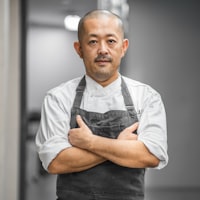
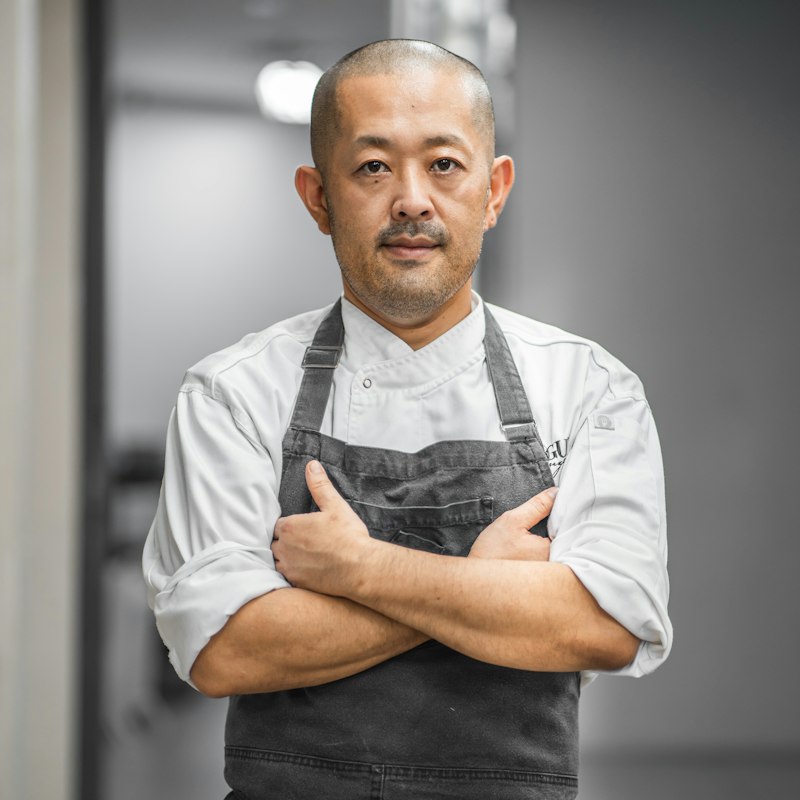
The itamae — the chef who stands before the cutting board — is not merely a cook. The word itself carries the weight of years of apprenticeship, of mornings spent at the market before dawn, of hands trained to feel the precise temperature at which rice must be pressed. At ZenSushi, Head Itamae Kenji Tanaka spent twelve years in Osaka and Tokyo before opening our counter. He will tell you that the most important skill he learned was not how to cut fish, but how to listen to it.
"Simplicity is the ultimate sophistication. In sushi, as in life, less is always more."
This philosophy extends beyond the plate. The counter itself — eight seats of pale hinoki wood — is designed to remove every barrier between guest and chef. There are no menus, no choices to make. You arrive, you sit, and you surrender. The omakase experience is, at its heart, an act of trust: trust in the chef's knowledge of the season, trust in the relationships built with suppliers over decades, and trust that what arrives before you will be exactly what you need in that moment.